
If you’re sourcing stylus pens for your store or brand, you’ve probably come across two main types: active and passive. They look similar, but they work differently, and they appeal to different customers. Choosing the right one can make a real difference in your sales.
What is a passive stylus?
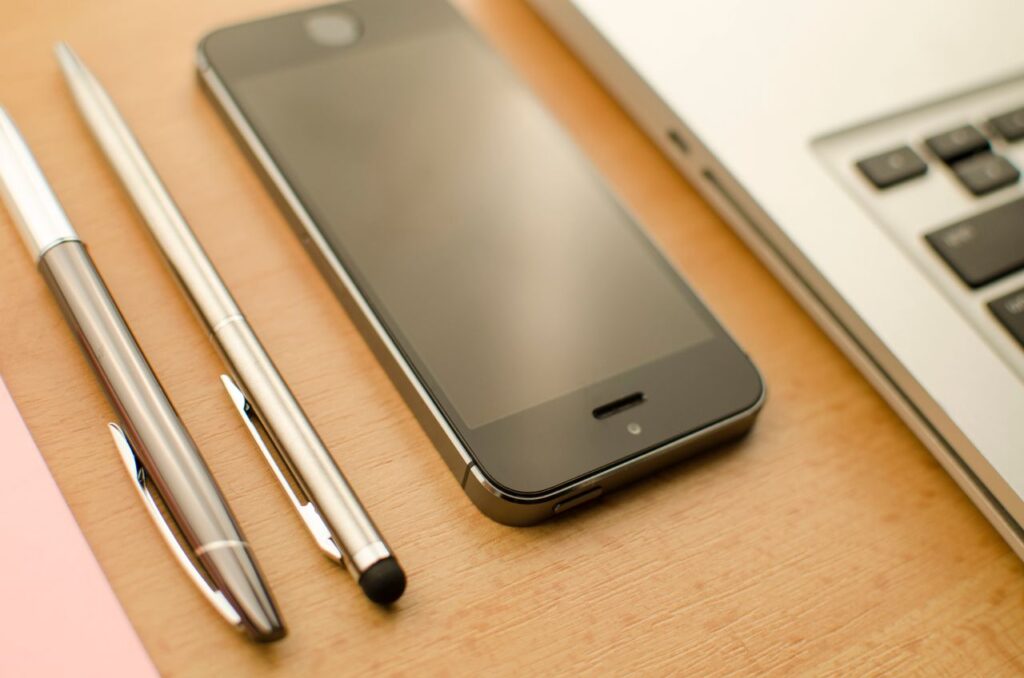
A passive stylus works like a replacement for your finger. It doesn’t need pairing, charging, or setup. Just pick it up and use it on any touchscreen device. It’s simple, reliable, and usually much cheaper.
Passive styluses are a good fit for entry-level buyers, students, and stores that want a low-risk product with steady demand. They’re also popular as promotional or bundle items.
What is an active stylus?
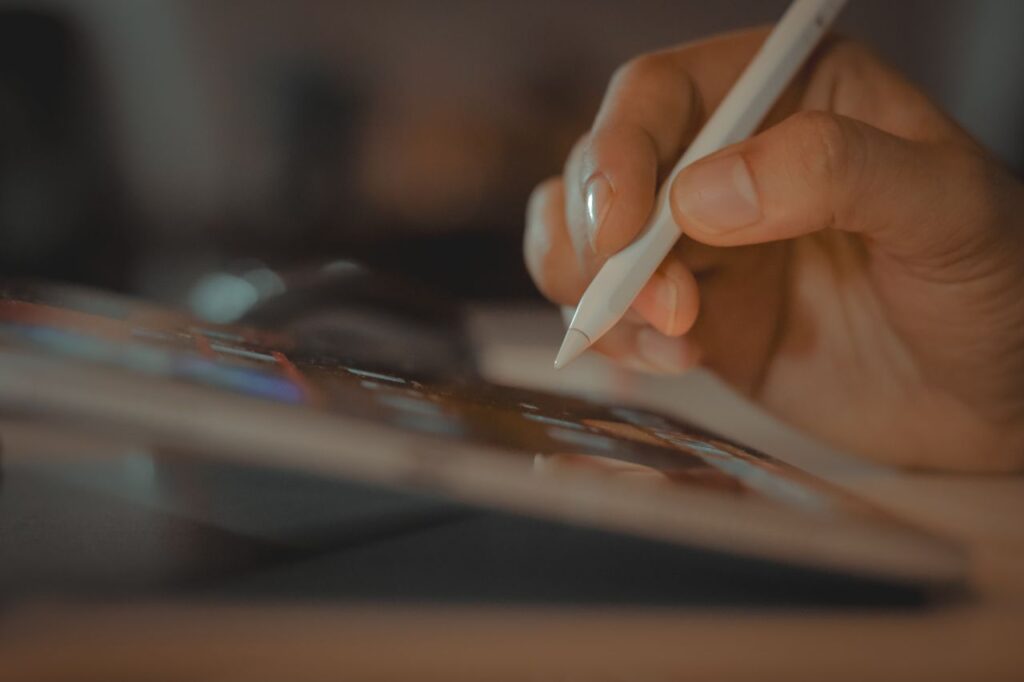
An active stylus has its own electronics inside. It supports functions like palm rejection, tilt sensor, Bluetooth, and shortcut buttons. Some models support wireless charging. These pens feel closer to writing on paper, and they’re what most people expect when they think of a “real” stylus.
Active styluses are a better fit for customers who use their tablets for work, study, or creative tasks — note-taking, drawing, design, and digital art. They usually carry a higher price tag, which means better margins per unit.
Which one sells better?
It depends on your market.
If your customers are price-sensitive and mostly use tablets for basic tasks, passive styluses are easier to sell. They move fast and don’t require much explanation.
If your customers are professionals, students, or creators, active styluses are worth the higher price. They offer real functional differences, and customers are often willing to pay more for a better writing experience.
Many stores carry both — a basic passive model as an entry-level option, and a premium active model for customers who want more.
What to look for when sourcing
When comparing stylus pens from different suppliers, focus on:
-
Compatibility – Which devices does it work with? iPad, Android, Huawei, Xiaomi, or all touchscreens?
-
Battery life – How long does it last on a full charge?
-
Palm rejection – Does it support it, and on which devices?
-
Packaging – Neutral, retail-ready, or OEM?
-
MOQ and lead time – Can you start small and scale up?
Final thoughts
There’s no single “best” stylus. The right choice depends on your customers, your price range, and how much you want to educate the market. If you’re not sure where to start, a small trial order is usually the safest way to test demand before committing to a large batch.